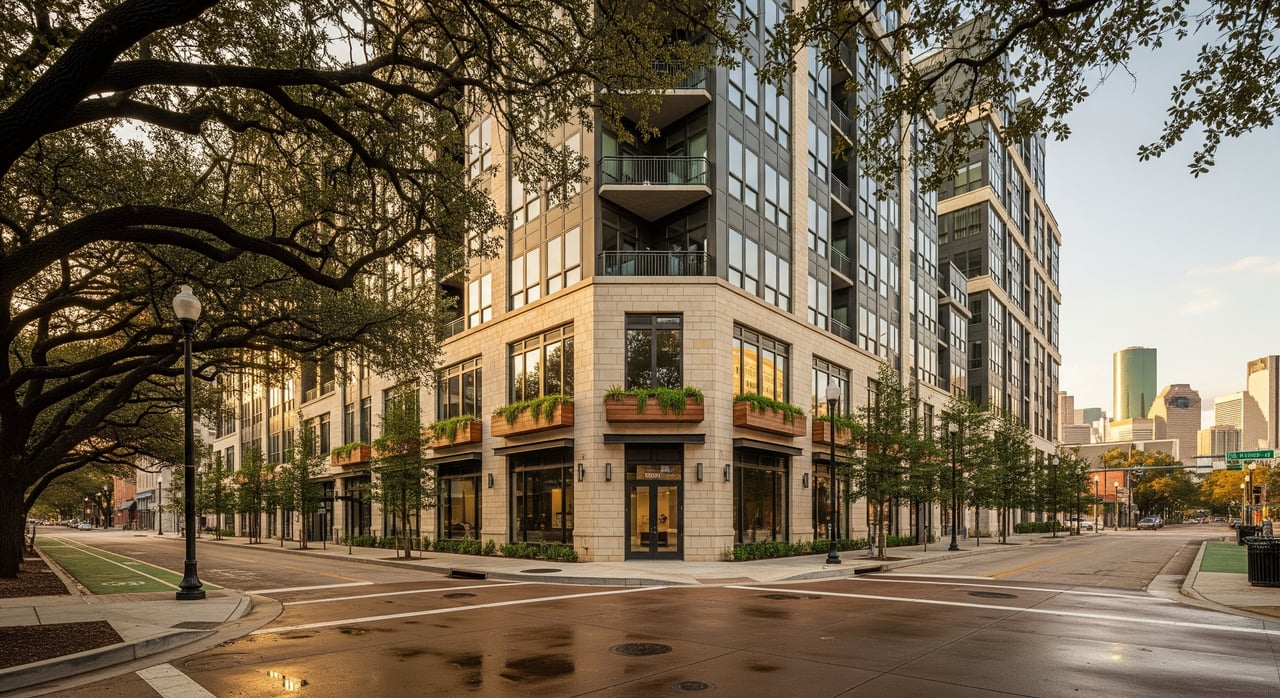
Orange cones on Montrose, new promenades Downtown, and fresh sidewalks in Upper Kirby are not random. They are part of Houston’s TIRZ engine quietly reshaping life inside Loop 610. If you are planning to buy, sell, or hold, these projects can influence value, access, and timing. This guide breaks down what to watch, how it can affect your move, and where to verify details. Let’s dive in.
What a TIRZ means for you
A Tax Increment Reinvestment Zone uses future tax revenue growth inside a boundary to pay for public improvements today. The City of Houston explains that a TIRZ captures the increment above a frozen baseline to fund streets, drainage, lighting, parks, and similar upgrades, all under Texas Tax Code Chapter 311. You can review the city’s overview and zone list on the official pages for how TIRZ financing works and active TIRZ documents.
For taxes, you do not see a separate “TIRZ” line on your bill. A TIRZ does not raise tax rates. School district participation and state aid interactions are technical, and the Texas Education Agency offers guidance on how TIRZ relate to school finance.
Inner Loop projects to watch
Montrose Boulevard rebuild
Montrose TIRZ 27 is reconstructing Montrose Boulevard with new concrete, upgraded storm sewers, improved lighting, tree preservation and planting, wider sidewalks, and a pedestrian bridge that ties into Buffalo Bayou Park. Construction began in spring 2025 with phased work through 2026. Follow the Montrose Boulevard Improvement Project updates for weekly schedules, lane closures, and access notes.
Design choices and governance have been in the spotlight. In 2025, the mayor replaced board members after disagreements over the redesign, which has shaped project decisions and timelines. See the coverage on the Montrose TIRZ board overhaul.
Midtown housing and oversight
Midtown’s TIRZ historically funded streets, parks, and an affordable housing allocation. In 2024 and 2025, a high‑profile investigation into alleged misuse of funds led to prosecutions, board changes, and citywide reviews of TIRZ spending. This history can influence transparency, project pacing, and community trust. Read the Houston Chronicle’s reporting on the Midtown Redevelopment Authority investigation.
Downtown activation and housing
Downtown’s TIRZ supports streetscape upgrades, promenades, and residential incentives. The Downtown Redevelopment Authority’s initiatives, including Main Street Promenade and the Downtown Living Initiative, have helped add thousands of housing units and improve pedestrian access and public space. Explore the Downtown Redevelopment Authority programs that continue to shape residential growth and retail vitality.
Upper Kirby corridor upgrades
Upper Kirby TIRZ work includes streetscape, widened sidewalks, lighting, utility burial, and drainage along corridors like Westheimer and Kirby. Expect temporary congestion, parking changes, and curb adjustments during construction. Community Impact’s rundown highlights planned Upper Kirby street and drainage projects.
Medical Center access and growth
The Medical Center Area TIRZ was created to support infrastructure for the Texas Medical Center and Hermann Park area, including traffic mitigation, emergency water systems, transit improvements, and park access. It positions the area to capture increment as taxable life‑science campuses come online. See the Chronicle’s coverage of the Medical Center TIRZ approval.
Uptown connections and park access
Uptown’s TIRZ is advancing pedestrian and park connectivity, including a bike and pedestrian bridge that links to Memorial Park with expected staging around 2026 to 2027. That project aims to improve regional access and active transportation options. Read about the Uptown–Memorial Park bridge.
Where to find official updates
For boundaries, budgets, agendas, and meeting minutes, start with the City of Houston’s consolidated TIRZ information portal. Individual redevelopment authority sites post project plans, schedules, and board packets.
How TIRZ work shapes pricing
Well‑executed infrastructure often boosts walkability, reduces flood risk, and improves access. That can attract private investment and lift demand near completed projects. Downtown’s residential momentum coincided with incentives and public‑space upgrades, as outlined in the DRA program record.
Expect a timeline effect. Short term, active construction can mean lane closures, noise, and parking changes that deter some buyers. Medium term, as projects deliver and private development follows, value often improves. The largest gains commonly appear after completion and stabilization rather than at the announcement stage.
Buyer and seller playbook
Use this quick plan to protect your timing and pricing inside Loop 610:
- Confirm the map. Check whether your property sits inside a TIRZ and note the boundary lines on the city’s TIRZ info page.
- Pull the latest board materials. Review the project plan, budget, and meeting agendas to see which projects are funded, current schedules, and any design changes.
- Track construction windows. For listings near active work, call out access, parking, and noise periods. Montrose posts weekly construction updates.
- Note governance signals. Board turnover, audits, and investigations can slow schedules or change priorities. The Chronicle’s Midtown coverage shows how oversight issues affect outcomes.
- Quantify timing. Infrastructure projects commonly take 1 to 5 years, with value response lagging completion. Plan your listing or acquisition strategy around that horizon.
- Clarify tax expectations. A TIRZ does not add a separate line item or raise rates by itself. For school finance interactions, see the TEA’s TIRZ guidance.
Ready to map these moving parts to your next move? If you want local, design‑savvy guidance on timing, pricing, and renovations near TIRZ projects, reach out to Jennifer Delaney. You will get hands‑on advice rooted in inner‑loop expertise and practical developer experience.
FAQs
What is a TIRZ in Houston?
- It is a defined area where the increase in property tax revenue above a baseline is reinvested into local infrastructure like streets, drainage, lighting, parks, and access improvements.
Do TIRZ projects raise my property taxes?
- Not directly. A TIRZ does not increase tax rates or add a separate line item; it redirects growth in revenue within the zone for improvements.
Will TIRZ projects raise home values inside Loop 610?
- Often over time. Values tend to respond after projects are complete and private investment follows, as seen with recent Downtown residential growth.
What risks should I watch with TIRZ governance?
- Watch for board changes, audits, and investigations that can delay schedules or shift priorities. Public reporting on Midtown shows how oversight issues can affect outcomes.
How can I track construction near my home?
- Check the city’s TIRZ portal for agendas and budgets, and review your zone’s project pages for weekly updates, detours, and timelines.