Thinking about living inside Houston’s 610 Loop? If you want a short commute, great food, and easy access to parks and culture, this is where the city’s energy lives. At the same time, you might be weighing practical questions about parking, flood risk, and day-to-day costs. In this guide, you’ll learn what life actually feels like inside the Loop, from morning routines to weekend plans, plus the tradeoffs to consider before you buy or lease. Let’s dive in.
What “inside the Loop” means
Inside the Loop refers to everything within Interstate 610. It covers Downtown, Midtown, Montrose, the Museum District, Rice Village/West University, River Oaks, Upper Kirby, the inner side of the Galleria/West Loop, and the Texas Medical Center.
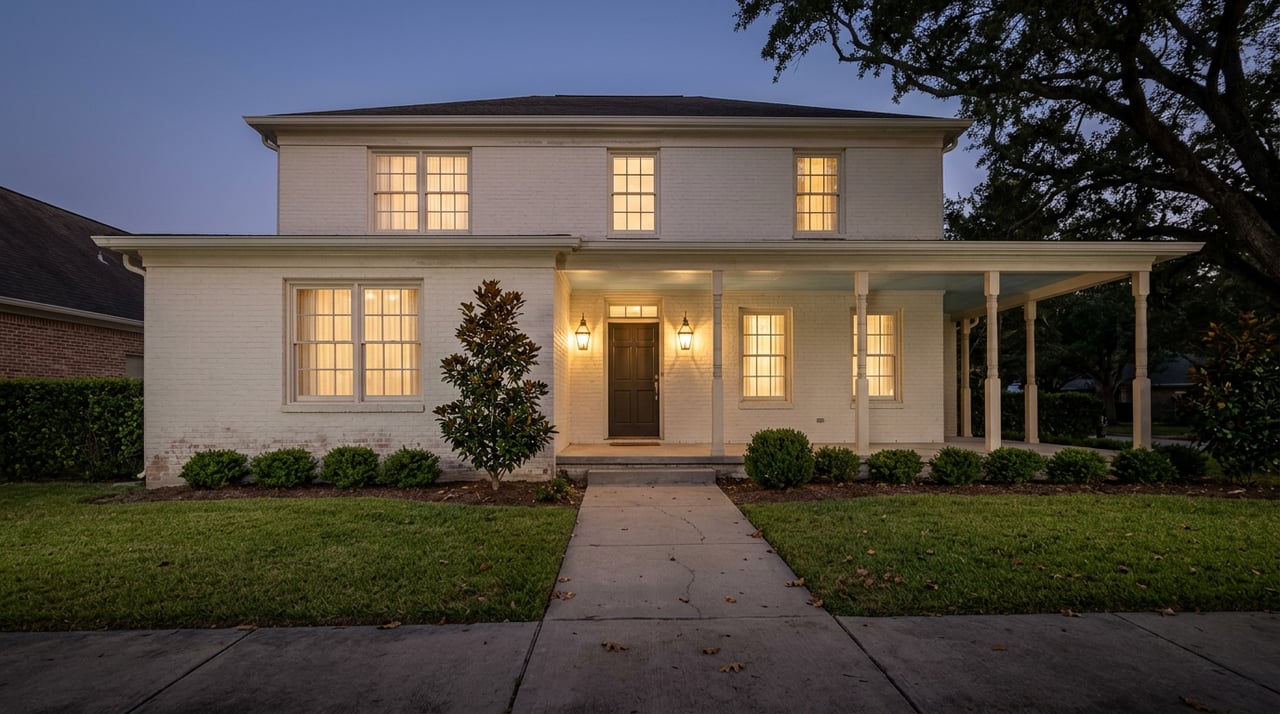
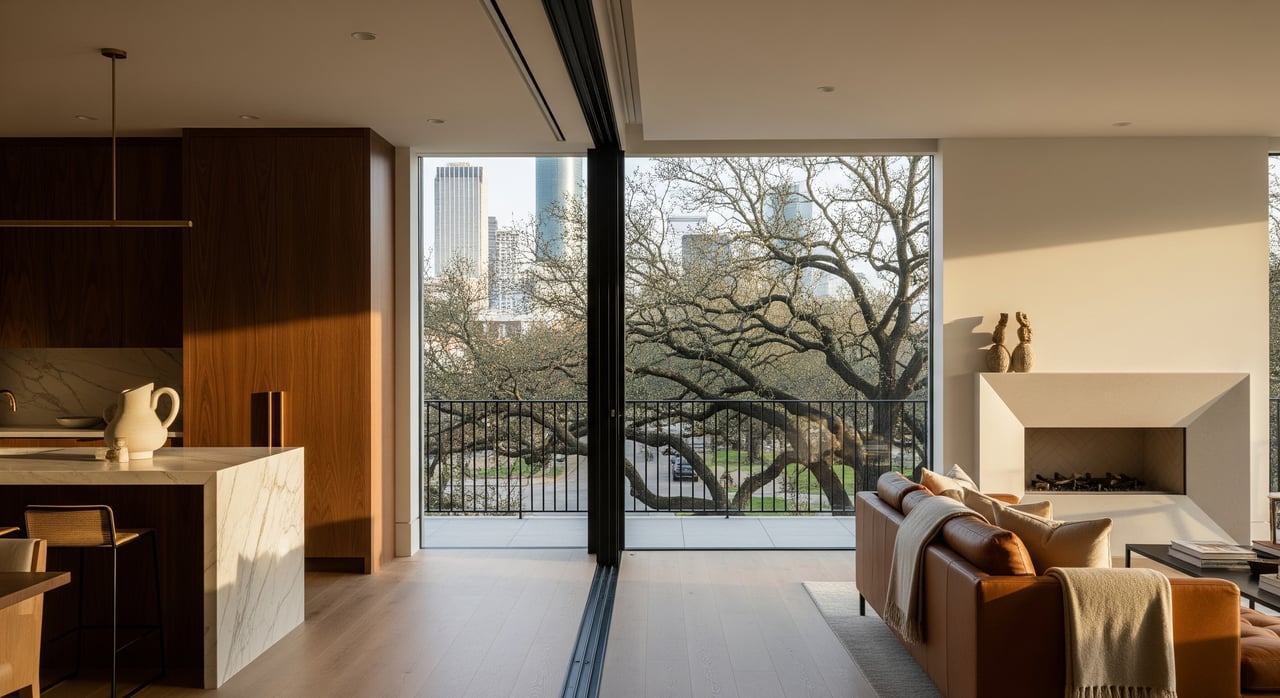
You’ll find a mix of high-rise condos, historic bungalows, luxury single-family homes, and lots of newer infill townhomes. Major job centers like Downtown, the Galleria corridor, and the Texas Medical Center sit in or near the Loop, which can make daily travel simpler for many professionals.
Who thrives here
- Young professionals who want walkable dining and nightlife, plus close-in commutes.
- Medical and academic staff connected to the Texas Medical Center and nearby universities.
- Empty-nesters and downsizers who prefer low-maintenance living with cultural access.
- Families who value shorter drives and neighborhood conveniences. School options vary by address, so most families compare districts, commute time, and home size before deciding.
Everyday living: mornings to weekends
Walkability and errands
You can walk to coffee, groceries, and services in many core neighborhoods, especially Downtown, Midtown, the Museum District, and parts of Montrose and River Oaks. The experience changes block to block, since some streets lack continuous sidewalks. Use neighborhood-level tools like Walk Score to compare specific addresses before you tour.
For groceries and weekly errands, you’ll find national chains, specialty options, and independent markets across the core. Farmers’ markets pop up on weekends in several neighborhoods, which makes fresh shopping easy without a long drive.
Dining and nightlife
If trying new restaurants and late-night spots is your thing, the Loop makes it simple. Montrose offers eclectic eateries and bars. Midtown has late-night destinations. Washington Avenue is lively, and Upper Kirby and River Oaks District bring upscale dining. Downtown adds sports and big-event energy.
Parks and trails
The inner-loop park network supports an active daily routine. Buffalo Bayou Park runs along the water with skyline views and kayak access. Hermann Park links to the Museum District with walking paths and the Miller Outdoor Theatre. Memorial Park offers miles of trails and golf, and the Houston Parks Board’s Bayou Greenways projects continue to connect green spaces along the bayous.
A typical morning might be a run on the bayou trail, a quick stop at a local café, and a short commute. Even if you drive, you can keep an outdoor routine without leaving the core.
Arts and entertainment
Culture is a short ride away. The Museum District features about 19 institutions, including the Houston Museum of Natural Science and the Museum of Fine Arts. Downtown’s Theater District hosts performances and touring productions, and pro sports bring regular games and concerts to the core.
Housing: what you will find
You’ll see a wide spectrum of home types:
- High- and mid-rise condos in Downtown and near the Galleria/West Loop
- Historic bungalows and cottages in Montrose and nearby pockets
- Large, luxury homes in River Oaks and West University
- Infill townhomes and duplex conversions throughout the core
New construction often focuses on low-maintenance options like townhomes and luxury condos. These appeal to buyers who want to minimize yard work and maximize location.
Costs and ongoing expenses
Homes inside the Loop are typically more expensive than many suburban markets. Entry points for first-time buyers often include condos, smaller townhomes, or a fixer in a transitional block. Texas has no state income tax, but you should plan for local property taxes, HOA dues for many condos and townhomes, and flood insurance where required. For neighborhood-specific pricing and comps, check the Houston Association of REALTORS.
Getting around and commutes
Driving realities
Houston is still a driver’s city. The Loop intersects major freeways like I‑10, I‑45, I‑69/US‑59, and US‑290. You’ll have fast regional access, but peak-hour congestion is real. Inner-loop residents often enjoy shorter drives to Downtown, the Galleria, and other core employers, though traffic hotspots still exist, especially on the West Loop.
Transit and car-light living
Transit works best in the core. The METRORail Red Line connects Downtown, Midtown, the Museum District, and NRG Park. The Green and Purple lines serve additional corridors, and the bus network covers most inner-loop neighborhoods. If you want to mix modes, scooters, bike lanes, and rideshare fill the gaps. Explore routes and schedules on METRO’s system maps.
Practical tradeoffs to weigh
Flood risk and insurance
Flooding is a serious consideration near bayous and low-lying areas. Before you fall in love with a home, check federal and county-level tools. Review a property’s zone on the FEMA Flood Map Service Center, then look at local context with the Harris County Flood Control District resources. Ask for seller disclosures on prior flood events and claims. If a lender requires flood insurance, include that cost in your budget.
Parking, noise, and mixed uses
Parking varies widely. Downtown and entertainment districts often rely on paid garages or limited street parking. In Montrose and Midtown, guest parking can be tight at peak times, even if your unit has assigned spaces. Noise can spike near nightlife corridors and major streets. Houston’s lack of traditional Euclidean zoning means mixed uses and faster change, which some buyers love and others prefer to avoid. If peace and quiet are priorities, test an address at different times of day.
Schools and education options
School quality varies by neighborhood and campus. Many inner-loop addresses are served by Houston ISD, while a few enclaves have their own districts. Review boundaries and programs with Houston ISD, and use state accountability reports from the Texas Education Agency to compare specific campuses. Private and charter options are also available in and near the core.
Safety and due diligence
Crime patterns differ by block and use. Entertainment areas may see higher property crime, while many residential enclaves report lower violent crime rates. Check address-level trends using Houston Police Department crime statistics, and visit the area in person during day and night.
Is the inner loop a fit for you?
You will likely thrive here if you want cultural access, restaurants and nightlife, and a shorter commute to major employers. Medical professionals and academics often find a strong match, especially with the scale of the Texas Medical Center and other central job hubs.
It may not be the right fit if you need a large yard at a lower price point, want very quiet streets, or prefer to avoid any flood exposure. You can still live inside the Loop and reduce these tradeoffs by focusing on elevated streets, quieter pockets, or homes with updated drainage and sound mitigation.
A day inside the Loop
- Morning: Run the Buffalo Bayou trail, grab coffee, and drive or hop the Red Line to work.
- Lunch: Walk to a neighborhood spot or a food hall near the office.
- Evening: Meet friends in Montrose or Upper Kirby, or catch a show in the Theater District.
- Weekend: Museum morning in the District, a picnic at Hermann Park, then a late dinner in Midtown.
Smart home search tips
- Shortlist three neighborhoods that match your commute and weekend routine.
- Walk each area at different times to judge noise and parking.
- Check flood maps, county data, and insurance quotes early.
- Compare HOA rules and fees across condos and townhomes.
- Use Walk Score to reality-check daily errands.
- Track active and pending comps on the Houston Association of REALTORS.
Next steps and local resources
Use these resources as you plan your search:
- METRO system maps and METRORail info
- Houston Parks Board and Bayou Greenways project details
- Museum District institutions and events
- Texas Medical Center campus overview
- FEMA Flood Map Service Center and Harris County Flood Control District
- Houston ISD and TEA accountability reports
- Houston Police Department crime statistics
- HAR market activity and comps
When you are ready to compare homes by street, elevation, and everyday feel, you deserve a hands-on advisor who knows the micro-neighborhoods. Connect with Jennifer Delaney to map your options, tour the right blocks, and find your next home or investment.
FAQs
Is life inside Houston’s 610 Loop walkable?
- Many core neighborhoods are walkable for errands and dining, though it varies by block; check specific addresses with Walk Score.
How are commutes to Downtown, the Galleria, and the Texas Medical Center?
- Inner-loop residents often have shorter drives to these hubs; if you prefer transit, the METRORail Red Line serves the Downtown–Midtown–Museum District corridor and routes are on METRO’s site.
How do I check flood risk for a specific inner-loop property?
- Review the property on the FEMA Flood Map Service Center and then verify local history and projects with the Harris County Flood Control District; ask for seller disclosures, too.
What school options exist inside the Loop?
- Many addresses are in Houston ISD; confirm boundaries with Houston ISD and compare campus performance on the Texas Education Agency.
What ongoing costs should I plan for if I buy inside the Loop?
- Budget for local property taxes, HOA dues for condos or townhomes, and flood insurance if required; use the Houston Association of REALTORS for current comps.
Is parking difficult near nightlife areas like Midtown or Washington Avenue?
- It can be tight at peak times; expect paid garages or limited street parking in entertainment districts and verify guest parking options at any building you consider.