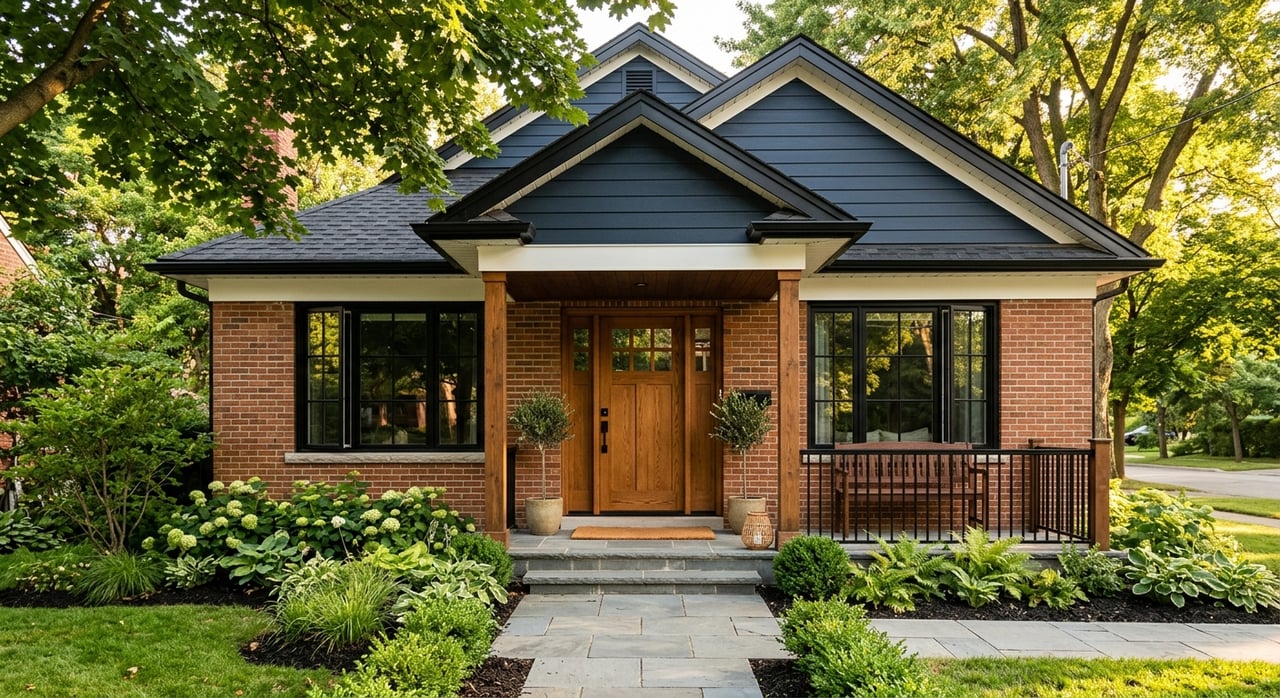
If you have ever driven through Houston’s inner loop and wondered how one area can hold so many different home styles, you are not imagining it. Inside Loop 610, historic bungalows, Revival-era homes, Victorian houses, and contemporary infill all appear within a relatively compact area. For you as a buyer or seller, understanding that mix can make it easier to spot value, appreciate design details, and plan updates with confidence. Let’s dive in.
Why Inner Loop Architecture Stands Out
Houston’s inner loop has an unusually high concentration of historic architecture. According to the City of Houston’s Loop 610 historic overview, Loop 610 contains 18 of Houston’s 19 historic districts, and the preservation office lists 23 historic districts, 308 landmarks, and 203 protected landmarks as of January 2026.
That helps explain why the area feels so layered. You are seeing the results of multiple growth periods, including early streetcar suburbs, 1920s subdivisions, postwar development, and newer infill added over time. Instead of one dominant look, the inner loop offers several architectural eras living side by side.
Bungalows and Porch-Front Classics
If you love older homes with front porches, detailed woodwork, and a strong sense of scale, this is one of the inner loop’s defining style groups. Neighborhoods such as Houston Heights, Norhill, Germantown, Woodland Heights, Westmoreland, and Old Sixth Ward are some of the best-known places to see these homes.
In the Heights districts, the city identifies common styles such as Craftsman, Queen Anne, Folk National, and Folk Victorian in its design guide for the area. These homes often sit close to the street, feature welcoming porches, and create the kind of curb appeal that still draws strong attention from design-minded buyers.
Craftsman bungalow features
A Craftsman bungalow typically includes a low-pitched roof, wide eaves, grouped windows, a front porch, and tapered porch supports. The city also notes details like pier-and-beam foundations, decorated gables, textured siding, and bay windows in many Heights examples.
In Norhill, this one-story bungalow form is especially common. If you are shopping in this part of Houston, you will likely see how much buyers value original proportions and porch presence.
Queen Anne and Folk Victorian details
Queen Anne and Folk Victorian homes tend to feel more decorative. According to the city’s Heights guide, these houses often have asymmetrical facades, steep roofs, spindlework or jigsawn trim, textured shingles, and full-length or wraparound porches.
You can see this vocabulary in places like Woodland Heights, Westmoreland, and especially Old Sixth Ward. The Old Sixth Ward context within the city’s historic resources connects that area to some of Houston’s oldest remaining residential architecture, including many Victorian homes from the late 19th century.
Four Square and Prairie influence
Not every older inner-loop home is highly ornate. Prairie and American Four Square homes usually read as broader, boxier, and more restrained, with horizontal massing, hipped roofs, centered entries, and simpler ornament.
These styles show up in neighborhoods including Germantown, Woodland Heights, and Westmoreland. The result is a streetscape where visual variety comes from form and proportion as much as decorative detail.
Revival Homes of the 1920s and 1930s
If the bungalow neighborhoods feel casual and porch-driven, Houston’s Revival-era enclaves often feel more formal. These homes became especially prominent in 1920s and 1930s districts and still shape the identity of several inner-loop neighborhoods.
Boulevard Oaks is one of the clearest examples. The city notes that most homes there are two- or two-and-a-half-story Revival houses, with about one-third identified as Tudor Revival. You will also find Colonial Revival, Italian Renaissance, Spanish Eclectic, French Eclectic, and Neoclassical examples.
Tudor Revival cues
Tudor Revival homes are usually easy to spot once you know what to look for. The city describes them with steep roofs, front-facing gables, massive chimneys, brick or stone accents, and half-timbering in some cases.
These homes often create a dramatic silhouette from the street. For buyers, that distinctive look can be a major draw. For sellers, preserving those visual details can be important to how the home is perceived.
Colonial and Spanish Revival looks
Colonial Revival homes typically present a more symmetrical, rectangular form. They tend to feel orderly and balanced from the curb.
Spanish Eclectic homes, by contrast, often feature stucco, arches, balconies, and clay-tile-inspired elements. In neighborhoods with a mix of Revival styles, those differences can shape everything from exterior materials to remodeling decisions.
Other key districts to know
Courtlandt Place and Avondale share a similar upscale historic vocabulary. First Montrose Commons blends Craftsman, Prairie, and Colonial Revival homes with later apartment buildings in styles such as Art Deco, Tudor Revival, and Spanish Colonial Revival.
Shadow Lawn adds yet another layer, mixing eclectic Revival homes with a few modernist residences designed by architect owners. Together, these neighborhoods show just how broad the inner loop’s architectural range really is.
Modernism and Contemporary Infill
The inner loop is not only about early 20th-century homes. Modernism and newer contemporary design also play a role, even if they are less concentrated in large historic districts inside the loop.
The city identifies Glenbrook Valley as Houston’s largest and most intact Ranch and Mid-Century Modern district, though it sits outside the loop. Still, the city’s architectural guidance on Ranch and Mid-Century Modern homes is useful for understanding the forms you may encounter in smaller inner-loop pockets or as individual standout properties.
Ranch and Mid-Century traits
Ranch homes usually have low roofs, wide eaves, and patio-oriented plans. Mid-Century Modern homes often emphasize open floor plans, large windows, strong geometric lines, dramatic entries, and carports.
These homes feel very different from a bungalow or Tudor Revival house. Their appeal often comes from openness, light, and a stronger indoor-outdoor connection.
Contemporary townhomes and infill
The inner loop’s design story keeps evolving. Preservation Houston’s 2025 Good Brick Tour highlighted the 1961 Todd House in the Museum District and the 1968 Style in Steel townhomes in the Southwest Loop as strong examples of modern design stewardship.
The city also calls Style in Steel a rare example of contemporary residential design. In Montrose-area inventories, some late-20th-century townhouses are labeled contemporary, reinforcing the idea that inner-loop architecture includes both preservation and ongoing reinvention.
What Buyers Should Notice
When you tour homes inside the loop, style is about more than aesthetics. It can affect layout, maintenance expectations, renovation flexibility, and future marketability.
A bungalow may offer charm, porch appeal, and period details, but it may also come with a more segmented floor plan or older systems. A Revival home may deliver architectural drama and symmetry, while a modern or contemporary home may better fit buyers who want open living spaces and cleaner lines.
It helps to pay attention to a few things:
- The home’s original defining features
- How much of the front facade still reflects the original style
- Whether updates feel compatible with the home’s architecture
- Whether additions appear subordinate or overwhelm the original structure
- The likely maintenance needs tied to older materials and details
If you are buying for both lifestyle and long-term value, authentic character paired with thoughtful updates often stands out.
What Sellers Should Know About Renovations
For sellers, architecture can directly shape prep strategy before listing. In historic districts or on landmark properties, exterior work may be subject to city review.
According to the City of Houston’s historic preservation manual, exterior alterations to landmarks and historic-district properties require a Certificate of Appropriateness, although ordinary maintenance, some in-kind work, and some obscured changes may be exempt. The city’s review criteria emphasize preserving distinguishing qualities, roof pitch, window proportions, porch structures, and additions that are compatible in massing, scale, material, and context.
Smart update patterns
The practical lesson is clear. The strongest remodels tend to preserve the visible front-facing silhouette and key period details while placing new square footage toward the rear or in a clearly subordinate form.
That approach is especially important in areas like the Heights, where the city states that combining defining elements from different styles in a single design is not allowed. If you are preparing a historic home for market, design discipline matters.
Real-world preservation examples
Preservation Houston’s 2025 Good Brick Tour offers helpful examples of what careful renovation can look like. One 1921 First Ward bungalow retained its porch and woodwork while adding a scaled rear suite, and the Style in Steel townhomes were restored by removing incompatible additions and bringing back original features like the shaded forecourt.
While there is no official resale formula published by the city, these examples support a practical takeaway: buyers who care about design often respond well to authenticity, compatibility, and restraint.
Why Architecture Matters in Pricing and Marketing
In Houston’s inner loop, a home’s style is part of its market story. It affects listing photography, staging decisions, buyer expectations, and how a property compares to nearby homes.
That is one reason design-aware representation can make a difference. When your agent understands how architectural character, renovation choices, and presentation work together, your home can be positioned more clearly for the right buyer.
Whether you are buying a porch-front bungalow, selling a Revival home, or evaluating contemporary infill, local style knowledge helps you make more confident decisions. If you want guidance tailored to Houston’s inner-loop neighborhoods, connect with Jennifer Delaney for practical, design-forward help with your next move or investment.
FAQs
What architectural styles are most common in Houston’s inner loop?
- Common inner-loop styles include Craftsman bungalows, Queen Anne and Folk Victorian homes, American Four Square and Prairie houses, Revival-era homes such as Tudor Revival and Colonial Revival, plus some Mid-Century Modern and contemporary infill.
Which Houston inner-loop neighborhoods are known for bungalow homes?
- Houston Heights, Norhill, Germantown, Woodland Heights, Westmoreland, and Old Sixth Ward are some of the best-known inner-loop areas for bungalows, cottages, and porch-front historic homes.
What defines a Craftsman bungalow in Houston?
- In Houston preservation terminology, a Craftsman bungalow often has a low-pitched roof, wide eaves, grouped windows, a front porch, tapered columns, and a pier-and-beam foundation.
Do historic Houston inner-loop homes have renovation rules?
- Yes. The City of Houston states that exterior changes to landmarks and historic-district properties generally require a Certificate of Appropriateness, though some maintenance and certain exempt work may not.
What should buyers look for in a renovated historic Houston home?
- You should look for updates that preserve the home’s original character, keep major front-facing features intact, and place additions or larger changes in a way that feels compatible with the original design.