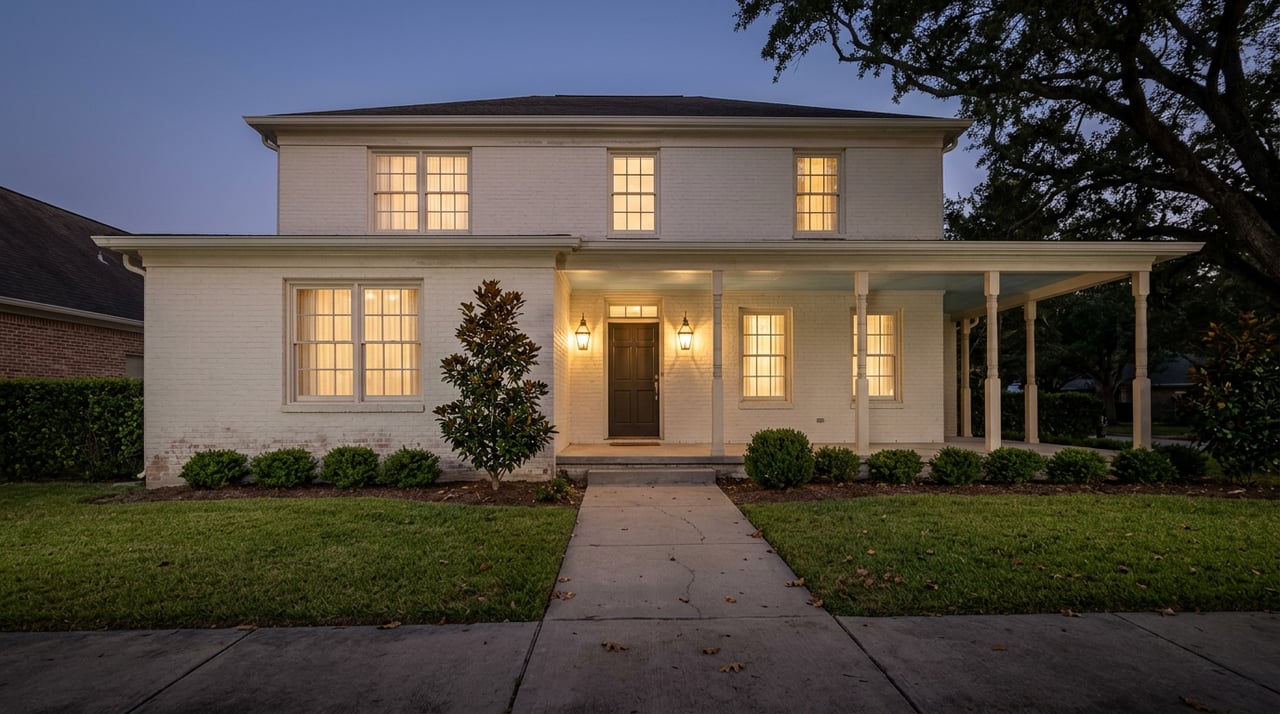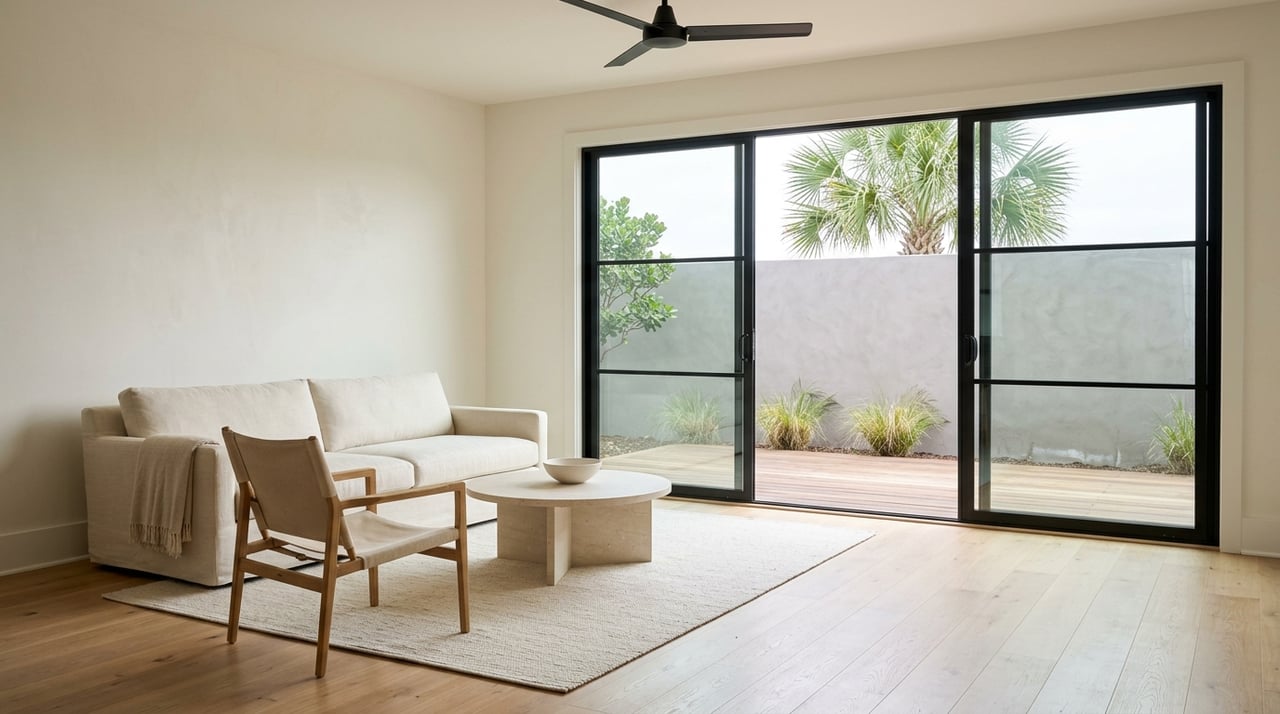
Selling a vacation home in Galveston can feel like balancing two stories at once. You are not just selling square footage. You are selling a place people imagine using for long weekends, family getaways, or rental income in a market that now rewards smart pricing, clean presentation, and strong documentation. If you want to sell with less stress and more confidence in 77554, it helps to plan the process like a coordinated exit. Let’s dive in.
Understand the 77554 market first
Galveston’s 77554 market is not moving at one speed. Recent reports show different numbers depending on the source, but they point in the same general direction: buyers have options, homes can take time to sell, and pricing discipline matters.
Zillow’s 77554 Home Value Index is $527,988, down 8.4% year over year, with homes pending in about 109 days. Redfin’s March 2026 median sale price is $610,000, up 2.5% year over year, with a median market time of 138 days. Realtor.com labels the zip code a buyer’s market, with 881 active listings and homes selling about 7.88% below asking on average in February 2026.
That does not mean your home cannot stand out. It means buyers are comparing your property against a lot of inventory, and they will notice if the price, condition, or paperwork feels off.
Know Galveston is a micro-market
One of the biggest mistakes sellers make is treating 77554 like a single price band. It is not. Realtor.com shows meaningful variation across Galveston, including a West End median around $625,000, Pirates Beach near $599,500, and Beachside Village above $1 million.
That matters because your buyer pool depends on location, view, access, condition, and how the home fits either personal use or rental use. A beach house near the water may attract a very different buyer than a property focused on convenience, lower maintenance, or sleeping capacity.
Before you list, you need a pricing and marketing strategy built around your specific pocket of Galveston, not just the zip code average. In a market with more active listings, that kind of precision can make a real difference.
Position the home for both use and value
Galveston has a strong visitor economy, which supports demand for second homes and vacation rentals. In 2024, visitors to Galveston Island spent $1.3 billion, generated a total economic impact of $1.7 billion, and supported more than 12,700 jobs. Lodging alone accounted for $385 million.
That big-picture demand helps explain why vacation homes continue to attract interest. But buyers are still going to look closely at today’s inventory and at the real operating story of your property.
The Park Board’s 2024 tourism report also notes that lodging spending fell 2.7% year over year, partly because of weakness in the short-term rental market and Hurricane Beryl disruptions. So if your home has rental history, it is better to present actual records and realistic expectations than broad income claims.
Time your sale around seasonality
In Galveston, timing affects more than curb appeal. It affects photography, showing access, guest schedules, and even how easy it is for buyers to picture themselves using the home.
Galveston’s travel guidance points to early spring as a sweet spot with fewer crowds than summer. June through August is peak season, while September through early November can offer strong value windows for visitors. January through February and September through early November are also described as budget-travel periods.
For many sellers, spring and fall are practical listing windows because the island is less crowded and the rental calendar may be easier to manage. If your home is still operating as a vacation rental, it is usually much easier to market when you can create a few clean, uninterrupted showing windows.
Plan ahead for storm season
Weather planning matters in any coastal sale. NOAA says Atlantic hurricane season runs from June 1 through November 30. FEMA also notes that new flood insurance policies typically have a 30-day waiting period before coverage begins.
That is one reason spring can be such a useful prep window. It gives you time to finish repairs, gather insurance records, review flood-related documents, and photograph the property before summer storms become part of the conversation.
If your home has had prior storm-related work, buyers will often want a clear timeline of repairs and any related permits or certifications. Having that ready early can make due diligence smoother.
Clean up short-term rental compliance
If your Galveston vacation home has been used as a short-term rental, your compliance file matters. The City of Galveston requires all short-term rental owners to register their properties, renew annually by December 31, pay a $250 fee, and display the GVR number in all listings. Each rentable unit needs its own registration number.
If you are no longer renting the property, the city says the owner should email the STR office so the home can be removed from the database. That small step can help avoid confusion as you transition the property out of active rental use.
Galveston also updated its STR rules in November 2025. The rules require a local 24/7 contact, a one-hour complaint response, and a two-hour issue resolution window. After three violations in 12 months, the STR Licensing Board may recommend revocation.
That means a clean operating record matters if you want to market the property to buyers who care about income potential. If the home has active bookings, you also want to make sure your listing schedule and guest operations stay compliant during the sale.
Verify future rental use carefully
Do not assume every buyer can use the home as a short-term rental just because it has been rented before. Galveston provides a GIS layer for Short Term Rental R-0 Zoned Restricted Areas and a separate resource for neighborhoods with short-term rental restrictions.
That parcel-level review matters. If future rental use is part of the home’s appeal, you want to verify what is allowed before making claims about income potential.
This protects both you and the buyer. It also builds trust, which is especially important in a market where buyers may already be sorting through many options.
Organize flood and windstorm records
Coastal buyers usually have more questions, and that is normal. The more clearly you answer them, the more confidence you create.
The City of Galveston says all development in the floodplain requires a permit. It also notes that substantially damaged or improved structures at or above 50% of market value need permits and elevation certificates, and that new construction and substantial improvements must be at least 18 inches above base flood elevation.
The city advises flood insurance even outside high-risk zones, and FEMA notes that homeowners insurance generally does not cover flood damage. On the windstorm side, the Texas Department of Insurance says Galveston is in Texas’ First Tier Counties, where structures must meet certain building standards to qualify for windstorm insurance. TWIA serves as the insurer of last resort for wind and hail in those catastrophe areas.
If your home has prior repairs, additions, or updates, have windstorm documentation ready if it exists, including WPI-8 or related records. In Texas, sellers of previously occupied single-family residences also use the TREC Seller’s Disclosure Notice, so repair, flooding, and insurance history should be organized before the home goes live.
Build a strong closing folder
A well-prepared seller makes the transaction feel easier from the start. For a Galveston vacation home, the most useful closing folder often includes:
- GVR registration records
- Hotel Occupancy Tax records if applicable
- Flood map documents or elevation certificate
- Windstorm documentation
- Repair permits
- Insurance declarations
- HOA or condo rules
- A clear furnishings and exclusions list
These records can reduce buyer uncertainty and shorten the back-and-forth during due diligence. If your property has functioned as both a retreat and an income-producing asset, documentation is part of the value story.
Stage for clarity, not clutter
Staging matters, especially when buyers first experience your home through photos. According to the 2025 staging report from the National Association of Realtors, 29% of agents said staging increased the dollar value offered by 1% to 10%, and 49% said staging reduced time on market.
The same report found buyers cared most about the living room, primary bedroom, and kitchen. It also showed that photos, physical staging, videos, and virtual tours were highly important.
For a Galveston vacation home, the goal is not dramatic styling. The goal is clarity. Buyers should be able to quickly understand how the home lives, how many people it can comfortably host, where outdoor time happens, and how easy it feels to maintain.
Focus on the features buyers scan first
If the home has been used as a furnished rental, less is often more. A clean, neutral, lightly edited look usually works better than packed shelves, heavy themed decor, or too many personal touches.
Your prep list should usually include:
- Decluttering every room
- Deep cleaning
- Improving curb appeal
- Using neutral bedding and towels
- Creating clear outdoor seating areas
- Making room photos easy to read
- Showing sleeping arrangements clearly
- Highlighting views without distraction
That kind of presentation supports both lifestyle buyers and investment-minded buyers. It helps them picture the property with fewer mental hurdles.
Price with discipline and tell a clean story
In a buyer-leaning market, overpricing can cost you time and leverage. Buyers in 77554 are comparing homes across different parts of the West End and across different use cases, from personal retreats to part-time rentals.
The strongest listings usually combine three things: market-aware pricing, polished presentation, and organized due diligence. When those pieces work together, buyers can move from interest to action with fewer doubts.
That is where a hands-on, design-aware strategy can help. Selling a Galveston vacation home is rarely just about listing it. It is about knowing how to frame the asset, support the asking price, and reduce friction from the first showing to the closing table.
If you are thinking about selling your Galveston vacation home, a smart plan can help you protect value and move forward with less guesswork. When you are ready for practical guidance on pricing, prep, staging, and positioning, connect with Jennifer Delaney.
FAQs
When is the best time to sell a vacation home in Galveston?
- Spring and fall are often practical times to list because the island is less crowded than peak summer, showing access may be easier, and you can prepare before hurricane season adds extra pressure.
Can you keep renting out a Galveston vacation home while it is listed for sale?
- Yes, if the property stays compliant with Galveston short-term rental rules, including registration requirements, local-contact rules, and a showing schedule that works around guest stays.
What documents should you gather before selling a Galveston vacation home?
- Helpful records include STR registration, HOT records if applicable, flood and elevation documents, windstorm records, repair permits, insurance declarations, HOA or condo documents, and a clear list of furnishings or exclusions.
Why do flood and windstorm records matter when selling in Galveston?
- Buyers often want to understand prior repairs, insurance eligibility, permit history, and how the home fits local coastal requirements, so organized records can reduce uncertainty during due diligence.
Should you market a Galveston vacation home as an investment property?
- You can position it for both lifestyle use and investment interest, but any income discussion should be grounded in actual records and local short-term rental rules rather than assumptions.